
Spambang: the Unseen Threat Clogging Your Inbox and How to Stop It

Uncover essential details on Spambang: the Unseen Threat Clogging Your Inbox and How to Stop It.
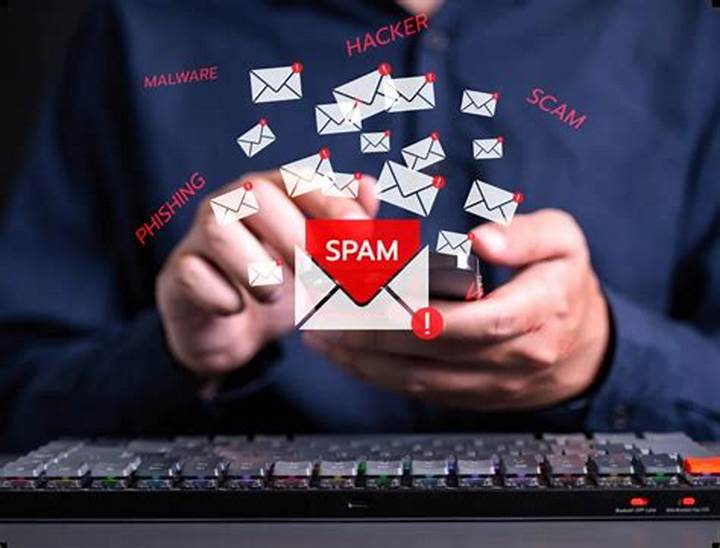
The danger of spambang extends far beyond simple annoyance. It creates a perfect storm of risks for both individuals and organizations. For the average user, the immediate consequence is a completely unusable inbox. Important emails from colleagues, clients, or family members get lost in the deluge. Missed deadlines, lost opportunities, and frayed nerves are common outcomes.
But the real threat is security. Spambang is often used as a smokescreen. While you’re busy deleting hundreds of junk messages, a single, carefully crafted phishing email might land in your inbox. It could look like a message from your bank, your IT department, or a trusted vendor. Because you’re overwhelmed, you might click a malicious link or download an infected attachment without thinking. This is the classic “needle in a haystack” approach, and it’s frighteningly effective.
The Financial and Reputational Cost
For businesses, the stakes are even higher. A successful spambang attack can lead to data breaches, ransomware infections, and significant financial loss. The time wasted by employees dealing with the flood of spam also translates into a direct productivity cost. According to recent industry estimates, the average employee spends over 10 minutes per day dealing with spam. During a spambang attack, that number can skyrocket.
Furthermore, if a company’s email system is used to send spambang (because an account was compromised), it can severely damage the organization’s reputation. Their domain could be blacklisted, preventing legitimate emails from reaching customers. Rebuilding that trust takes time and resources.
Robert Thorne covers electric vehicle innovations, autonomous driving systems, global mobility trends, and automotive engineering developments.
